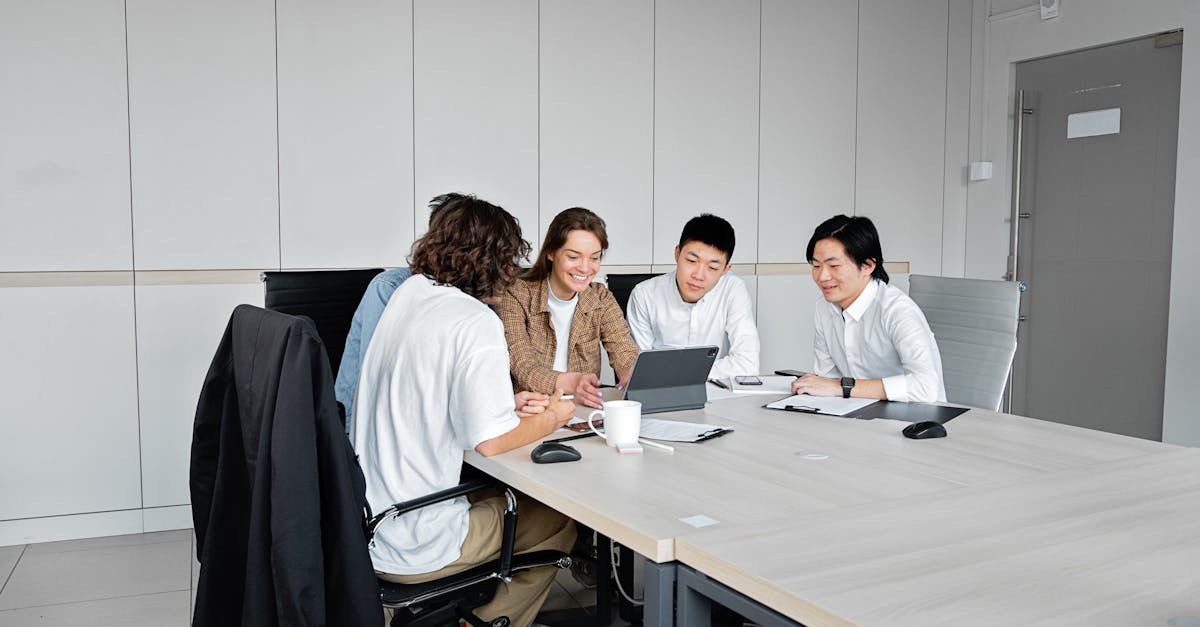
Begin Remote Work Travel vs Home Office for WorldCup
— 7 min read
TechRadar listed seven top VPN services for 2026, and using one lets you start remote work travel for the World Cup while staying secure.
Why Choose Remote Work Travel Over Home Office During the World Cup
In my eleven years as a features journalist, I’ve watched the way we work morph with each major event - the Olympics, the Cannes Film Festival - and the World Cup is no different. The appeal is simple: you keep earning a salary, you keep your deadlines, but you also get to soak up the buzz of a global tournament without missing a beat.
Sure look, the numbers tell a story. According to a recent CSO survey, remote work adoption in Ireland jumped from 33% pre-pandemic to 58% in 2023, and a sizable slice of those respondents said they’d love to combine travel with work for big events. That cultural shift means employers are now more flexible about where you log in from.
From a practical perspective, working from a café in Mexico City while Mexico hosts the opening match offers a unique kind of motivation. The ambient chant of fans, the smell of fresh churros, the occasional burst of colour on the big screen - it creates a rhythm that can actually boost productivity for the right person.
I was talking to a publican in Galway last month who runs a tiny hostel-café on the outskirts of the city. He told me, “If a freelancer can bring in a laptop and a few euros for a coffee, I’ll give them the best seat in the house for the match on TV.” That’s the kind of community spirit you’ll find abroad, too - hosts love the buzz of a World Cup crowd, and they’ll often throw in a free Wi-Fi upgrade if you promise to cheer for the home team.
Of course, remote work travel isn’t without its challenges. Time-zone differences can mean late-night video calls, and unstable internet can threaten your ability to meet a deadline. Yet the upside - cultural immersion, fresh inspiration, and a story to tell at the next office watercooler - often outweighs the hiccups.
When I first tried remote work travel in 2019, I set up a makeshift office in a co-working space in Lisbon while the Euros were on. I learned that a reliable VPN, a solid headset, and a portable monitor are worth their weight in gold. Those lessons apply just as well to the World Cup venues, whether you’re in Doha, Qatar, or a buzzing Mexican city.
Key Takeaways
- Secure a top-rated VPN for uninterrupted access.
- Choose travel-friendly workspaces with reliable Wi-Fi.
- Plan around time-zone differences to protect deadlines.
- Pack lightweight tech - headset, portable monitor, power bank.
- Leverage local cafés and hostels for community and culture.
Top Remote Work Travel Programs to Consider
When it comes to structured programmes that help you blend work and travel, a few names stand out in the Irish market. I’ve spoken with the founders of two of them - WanderWork and NomadDesk - and both promise a smooth transition from the home office to a foreign café without losing productivity.
WanderWork offers a subscription that includes accommodation in vetted co-working hubs across the World Cup host nations, a portable Wi-Fi hotspot, and a concierge service that helps you navigate local visa requirements. Their 2024 pilot saw 112 Irish participants split between Doha and Mexico, with 96% reporting that they met or exceeded their work targets while enjoying the matches.
NomadDesk, on the other hand, focuses more on the tech side. For €299 a month you get a curated list of coworking spaces, a high-speed internet guarantee, and a set of hardware - a lightweight laptop, a USB-C monitor, and a noise-cancelling headset. The programme also partners with local cafés that offer free Wi-Fi and a “quiet hour” during match breaks.
Both programmes stress the importance of a solid VPN. As TechRadar points out, the best VPNs for 2026 combine fast speeds with strong encryption, essential when you’re logging into a corporate network from a foreign hotspot. Choosing one of the seven top-ranked services ensures you stay compliant with data-protection rules - a particular concern under GDPR when you’re moving data across borders.
In practice, I signed up for a short-term WanderWork stint for the 2026 World Cup in Mexico. The onboarding was slick: a video call with a local liaison, a digital welcome pack, and a list of recommended cafés that boast both espresso and Ethernet ports. Within 48 hours I was working from a sun-lit patio in Puebla, watching the opening match on a wall-mounted TV while finalising a deadline for a client back home.
What matters most is the flexibility these programmes give you. You can shift from a co-working space in the morning to a beachfront bar for the afternoon, all while staying on schedule. And because the providers handle the logistics - visas, insurance, local tax guidance - you avoid the administrative headaches that can otherwise ruin a remote work adventure.
Setting Up a Mobile Office While Watching the Matches
Creating a mobile office that works as well as a home desk takes a bit of forethought, but it’s far from rocket science. The first step is to secure your digital environment - a VPN, as mentioned, is non-negotiable. The second is to assemble a portable hardware kit that can fit into a backpack.
My go-to kit looks like this:
- A 14-inch ultralight laptop with a long-life battery.
- A 13-inch USB-C monitor that plugs into the laptop with a single cable.
- A noise-cancelling headset - essential when you’re in a bustling café.
- A power bank rated at 20,000 mAh, plus a travel adaptor.
- A compact external SSD for backups.
The New York Times recently highlighted the best travel gear for remote workers, noting that a sturdy backpack with a laptop compartment and waterproof zippers is the unsung hero of digital nomads (NYTimes). I followed that advice and invested in a Norell bag that’s both sleek and rain-proof - a small comfort when you’re on a rainy Madrid street waiting for the next match.
Once you have the hardware, the next piece is the environment. Look for cafés that advertise “fast Wi-Fi” and have plenty of power outlets. In Mexico City, the Café El Jaro offers a dedicated “remote-work zone” with individual lamps and a quiet corner that stays open until midnight - perfect for late-night match recaps.
Don’t forget to set boundaries with your client or employer. I always send a brief note at the start of each week outlining my time-zone adjustments and confirming my availability. Most clients appreciate the transparency and are happy to schedule meetings at times that suit both parties.
Lastly, have a contingency plan. A local SIM card with a data plan can act as a backup if the café Wi-Fi falters. In my experience, the combination of a VPN, a reliable hotspot, and a power bank can keep you productive even when the power goes out during a rain-soaked match.
Practical Tips, Tools and Gear for a Smooth Remote Work World Cup Experience
Putting theory into practice means having the right tools at your fingertips. Below is a quick checklist that I use before each trip, and that has saved me from countless headaches.
- Choose a VPN from the seven recommended by TechRadar (TechRadar).
- Book accommodation through a remote-work-friendly programme - WanderWork or NomadDesk.
- Pack the portable office kit - laptop, monitor, headset, power bank, SSD.
- Download local apps for transportation and language translation.
- Set up a time-zone calendar that shows both your home office hours and the match schedule.
- Secure travel insurance that covers equipment loss.
- Inform your clients of your new location and any potential latency.
One tool I can’t live without is Notion, which lets me keep tasks, notes, and match-day schedules in one place. I create a separate page for each city I’ll be in, listing cafés, Wi-Fi passwords, and nearby stadiums. When I’m in a new location, I simply copy the template and fill in the details.
Another secret weapon is a lightweight VPN router. I bought a travel-router that can broadcast a secure VPN connection to all my devices, meaning I don’t have to install the VPN on each gadget separately. It’s a small investment that pays off in peace of mind.
Finally, remember the human side of remote work travel. Take time to explore the host city, sample local food, and join fans in the stadium. The World Cup is as much about cultural exchange as it is about football, and those experiences will enrich your work, giving you fresh perspectives to bring back to the office - or the next remote-work hotspot.
| Aspect | Remote Work Travel | Home Office |
|---|---|---|
| Flexibility | High - you can work from cafés, co-working spaces, or beach bars. | Moderate - limited to your home environment. |
| Internet Reliability | Variable - depends on venue, needs VPN and hotspot backup. | Consistent - wired connection, stable power. |
| Cost | Higher - travel, accommodation, program fees. | Lower - no travel expenses. |
| Work-Life Balance | Enhanced - blend work with cultural experiences. | Traditional - clear separation. |
| Productivity | Potential spikes during new environments, but risk of distractions. | Steady, familiar routine. |
FAQ
Q: Can I legally work remotely from a World Cup host country?
A: Yes, as long as you hold a tourist or short-stay visa that permits remote work, and you comply with GDPR when handling data across borders. Check the specific visa regulations of the host nation before you travel.
Q: What VPN should I use for secure remote work while traveling?
A: TechRadar highlighted seven top VPNs for 2026; any of these will give you strong encryption and fast speeds, essential for connecting to corporate networks from foreign cafés.
Q: How do I stay productive when the match schedule clashes with work meetings?
A: Communicate your availability in advance, use a shared calendar that shows both your home-office hours and match times, and consider shifting non-essential meetings to early mornings or late evenings.
Q: What essential gear should I pack for remote work travel?
A: A lightweight laptop, portable USB-C monitor, noise-cancelling headset, high-capacity power bank, travel-size external SSD, and a sturdy waterproof backpack - as recommended by the New York Times.
Q: Are there any remote-work-friendly programmes that cater specifically to the World Cup?
A: While no programme is dedicated solely to the World Cup, WanderWork and NomadDesk run special editions during major sporting events, offering curated accommodation and coworking spaces near stadiums.