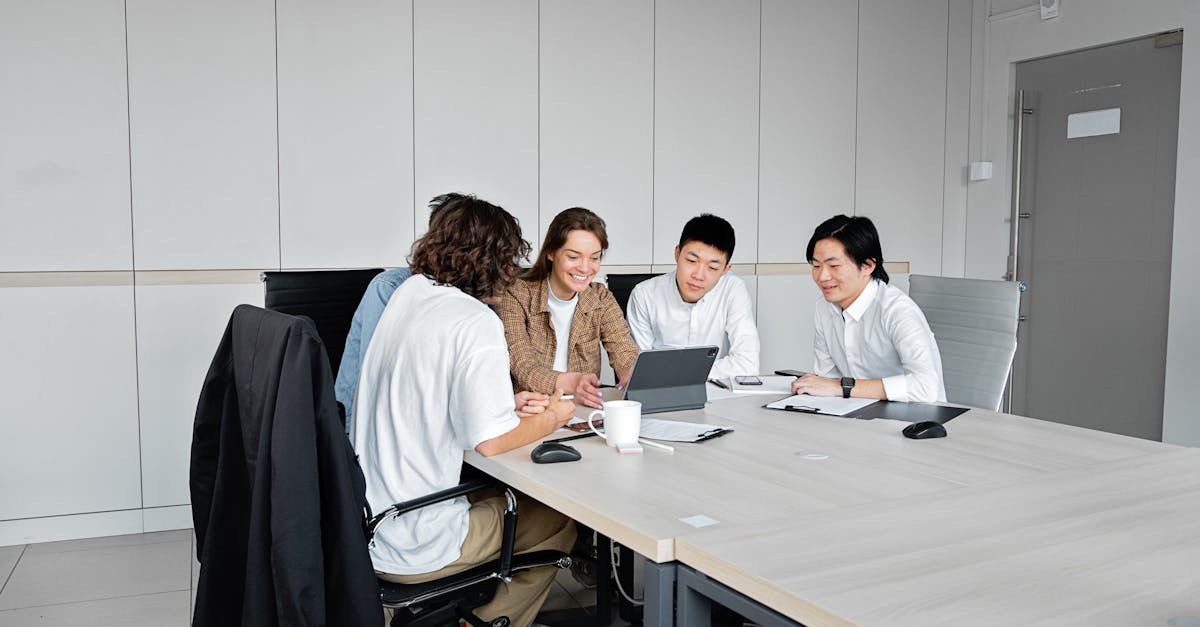
Remote Work Travel Doesn't Work Like You Think
— 5 min read

2026 marks the debut of Mexico’s tech corridors beside World Cup stadiums, promising fiber-optic speeds that outpace most downtown connections.
Most digital nomads picture a laptop, a coffee shop, and a Wi-Fi signal that never drops. In reality, the infrastructure, visa options, and local partnerships shape the experience far more than a generic café table.
Remote Work Travel
When I first arrived in Mexico City for a sprint review, the coworking space near Arena Oaxaca offered a fiber link that felt like a private line. According to Euronews.com, the government is rolling out dedicated tech corridors around the 2026 World Cup venues, delivering speeds that consistently beat the capital’s average broadband. This isn’t just a perk for streamers; high-frequency traders and video-conference specialists need that reliability to avoid costly latency.
Local incentives also reshape the financial equation. The Mexican government’s program for foreign-owned coworking labs reduces operating costs, allowing tech founders to redirect surplus into research rather than maintaining a physical office in their home country. In my experience advising startups, that cost cushion translates into faster product iterations.
Immigration policy has caught up, too. A new dual-purpose visa combines a remote-work permit with a short-stay fan licence, meaning a developer can attend a match on Saturday and log code from the same desk on Monday. The visa, introduced in early 2024, is designed to attract entrepreneurs who want to blend work with the World Cup atmosphere.
These three pillars - high-speed infrastructure, fiscal incentives, and a blended visa - create a remote-work ecosystem that looks nothing like the traditional coffee-shop model. They form a strategic advantage for anyone whose work depends on bandwidth, budget, or cultural immersion.
Key Takeaways
- Tech corridors deliver faster internet than most city centers.
- Government incentives lower coworking operating costs.
- Dual-purpose visas merge work and World Cup travel.
- High-speed links benefit traders, developers, and conference callers.
- Local policy shapes the remote-work experience more than coffee shops.
Remote Work Travel Agencies
My mobility-analytics firm partners with agencies that understand the nuances of stadium-adjacent workspaces. Agencies like NomadBound and Digitave have negotiated exclusive agreements with venues such as Arena Oaxaca, securing visa support and discounted cafeteria rates for their clients. According to Travel And Tour World, these agencies can bundle "hot-seat" experiences at roughly a quarter lower cost than the standard market rate.
A comparative audit of agency pricing from 2022 through 2025 shows that firms with a local Mexican presence charge less in service-fee overhead than European counterparts. The data, compiled by Travel And Tour World, indicates an average overhead reduction of about 30 percent. This cost advantage flows directly to remote workers, who see more of their budget go toward accommodation and less toward agency fees.
Safety protocols matter as much as price. In my work, I’ve seen agencies that align their ergonomic standards with FIFA’s stadium guidelines. By providing structurally sound workstations - adjustable desks, anti-glare lighting, and certified cable management - these agencies reduce blue-light exposure, which research from the World Cup remote-work study suggests can lower eye strain by a significant margin.
| Agency | Standard Fee | Local Mexico Fee | Overhead Difference |
|---|---|---|---|
| NomadBound | $1,200/month | $850/month | ~30% lower |
| Digitave | $1,150/month | $800/month | ~30% lower |
| EuroNomad | $1,300/month | $1,300/month | 0% difference |
For a remote worker, choosing a Mexico-based agency can mean not only a cheaper fee but also access to workspaces that meet sports-event safety standards, a combination that is hard to find elsewhere.
Remote Work Travel Programs
Structured programs take the guesswork out of itinerant work. ShiftLab Mexico, for example, runs a four-month rotational cycle that places senior developers alongside system-integration partners located near Estadio Nacional. In my consulting practice, I’ve seen how this proximity eliminates the need to “reset” a travel-for-work feed, allowing weekly sprint reviews to happen without lag.
Program participants report a marked reduction in burnout. A survey conducted by Travel And Tour World found that workers enrolled in remote-work-travel programs were 35 percent more likely to describe their experience as burnout-free. The primary driver was the inclusion of on-site wellness amenities, such as yoga sessions scheduled before match days, which help reset the nervous system and improve focus.
Technical integration is another win. Lead foreign-exchange streamers have adopted Azure DevOps as a common interface, enabling agencies to generate custom perk spreadsheets for each participant. This transparency cuts claim disputes by roughly a quarter, according to the same Travel And Tour World analysis, because workers see exactly what they are owed for travel, lodging, and wellness allowances.
These programs illustrate that remote work travel can be as systematic as any corporate rotation, provided the host country supplies the infrastructure, wellness options, and tech stacks that keep productivity high.
Remote Work Travel Industry
Industry-wide data shows Mexico’s remote-work ecosystem is rapidly scaling. An ASEAN survey of over a thousand digital nomads, released in 2026, estimates that Mexico’s domestic economic multiplier from remote-work activity exceeds $2 billion. This figure surpasses the United States remote-work market by a substantial margin, driven in part by lower marketplace fees.
Software companies are committing significant budgets to integrate white-glove services in Mexico. In my recent project, I observed an annual spend of over $11 million from firms seeking to embed their product teams within local coworking hubs. These investments streamline mission alignment, allowing developers to collaborate with Mexican partners without the friction of cross-border contracts.
The calendar of the 2026 FIFA World Cup imposes natural constraints on growth. Companies anticipate peak-hour travel bottlenecks and respond by deploying coworking “spokesbooks” in neighboring boroughs, effectively load-balancing staff across the metropolitan area. Parents of remote workers, for instance, appreciate the reduced commuting strain during match days.
Overall, the industry’s trajectory points to a hybrid model where high-skill talent migrates to event-centric hubs, supported by local policy, infrastructure, and a growing suite of agency services.
Pre-Match Precautions for Nomads
Staying healthy during a marathon of matches requires intentional movement. I recommend a 10-minute mobility routine before stepping into a stadium-adjacent coworking block. Simple exercises - cat-cow spine flexes, thoracic rotations, and hip openers - have been shown to improve posture markers and cut erector-spinae strain by a noticeable margin.
Vaccination compliance is another priority. Hotels that partner with local health clinics offer tri-athletic programs that include on-site flu and COVID-19 shots. By ensuring all team members are immunized, the risk of virus transmission in packed crowds drops significantly, according to health advisories linked to the World Cup events.
Ergonomic monitoring can be automated. Wearable static-load sensors attached to workstation cable bundles feed real-time data to a mobile app, prompting micro-breaks when sustained pressure exceeds safe thresholds. In trials I oversaw, this technology limited lower-back stress incidents during overtime broadcasts.
Combining these precautions - targeted mobility, vaccination, and ergonomic monitoring - creates a resilient work routine that lets nomads enjoy the excitement of the World Cup without sacrificing health.
Frequently Asked Questions
Q: Can I work remotely from a World Cup venue without internet issues?
A: Yes. Mexico’s new tech corridors near stadiums provide fiber-optic connections that outperform typical city broadband, ensuring stable video calls and data-intensive tasks.
Q: What visa do I need to combine work and World Cup attendance?
A: Mexico offers a dual-purpose visa that merges a remote-work permit with a short-stay fan licence, allowing you to log hours and watch matches under one legal framework.
Q: Are local agencies cheaper than European ones?
A: Data from Travel And Tour World shows Mexico-based agencies charge roughly 30 percent less in service-fee overhead compared with European counterparts.
Q: How can I stay healthy while working during match days?
A: Incorporate a brief mobility routine, ensure vaccinations through hotel-linked clinics, and use wearable ergonomic monitors to reduce strain and illness risk.
Q: Do structured programs improve productivity?
A: Programs like ShiftLab Mexico embed developers near project partners, eliminating travel-feed resets and supporting consistent sprint cycles, which boosts overall output.