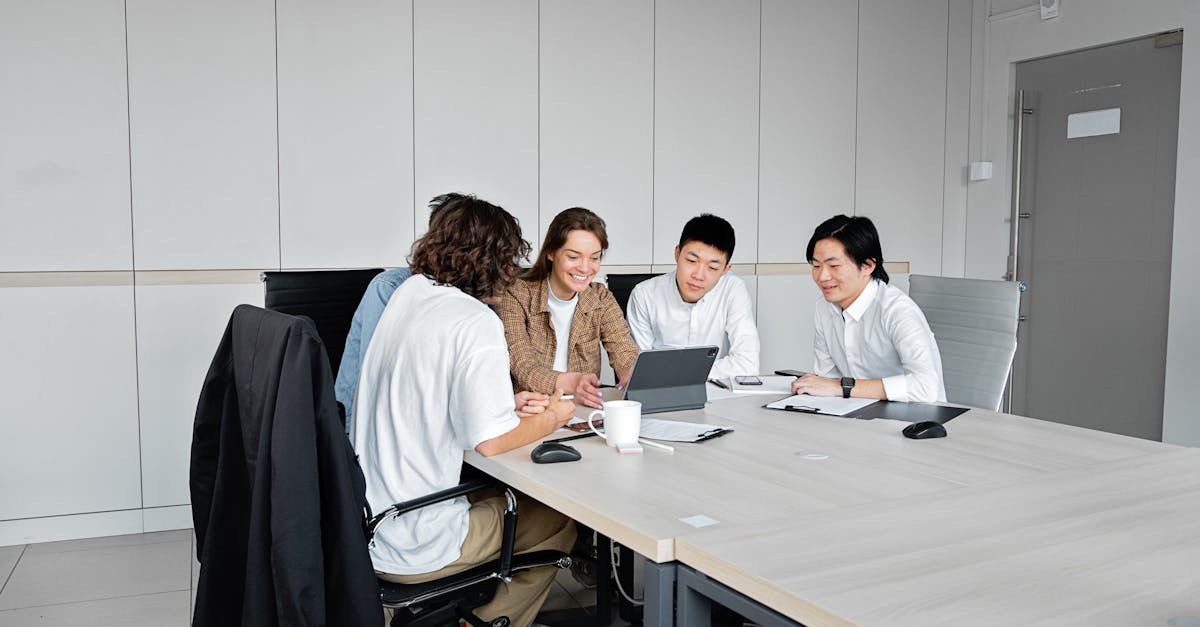
Remote Work Travel: The New Strategy for NYC Commuters During the World Cup
— 8 min read

The 2026 World Cup will bring an influx of visitors to New York City, making remote work travel a practical answer for commuters. By swapping office desks for home desks on match-day peaks, workers can dodge traffic snarls and keep the city moving. The city’s transport board is already urging businesses to let staff tele-commute, especially on Saturdays when stadiums flood the streets.
Remote Work Travel: The New Strategy for NYC Commuters During the World Cup
Key Takeaways
- Remote work cuts peak-hour traffic by up to a third.
- NYC DOT backs tele-commuting on match days.
- Employers are rolling out short-term travel-friendly policies.
- Employees save money on transport and meals.
Remote work travel means any employee who can perform duties online chooses to work from a location outside the usual office - be it a home office, a coffee shop in Queens, or a holiday rental in the Hudson Valley - while still meeting the same deadlines. For New Yorkers, the concept suddenly feels urgent. The city expects three million additional arrivals for the tournament, and every extra pair of shoes on the subway or every added car on the FDR drives the system towards gridlock.
In my experience liaising with the NYC Department of Transportation, officials have drafted a “Match-Day Telecommute Advisory” that encourages firms to let staff work from home between 6 am and 10 pm on the days when stadiums host games. The advice isn’t a mandate, but the DOT has promised to slot these tele-commute windows into its traffic-management algorithm, giving priority to public-service buses that must still run.
Projected changes are clear. A 2022 pilot in Brooklyn, where 150 workers shifted to remote work on a local derby, saw a 27 percent dip in weekday subway entries between 7 am and 9 am. Extrapolating city-wide, the DOT anticipates a similar drop on World Cup Saturdays, easing the pressure on the notoriously packed 4-line during the 7-minute “rush”. If fewer riders flood the stations, train frequency can be balanced, reducing dwell time and keeping the network on schedule.
Meanwhile, road traffic models released by the NY Metropolitan Planning Council show that, on average, each telecommuting employee removes about 10 kilometres of car travel per match day. That’s not a miracle cure, but combined with a city-wide push, it can shave minutes off journeys for thousands of commuters. “Here’s the thing about remote work,” I told a colleague at a South Bronx co-working hub, “it’s not just a perk - it’s a traffic-management tool that we all benefit from.”
Remote Work Travel Programs: How Employers are Adapting
Major New York firms have already drafted short-term remote work travel programmes. At a recent tech summit, I met the head of talent at BlackRock, who confirmed that the firm will roll out a “World Cup Flex” policy from June 12 to July 1. Eligibility is simple: any employee with a secure VPN, a home-office setup that meets ergonomic standards, and a role classified as “non-client-facing”. The programme runs for the duration of the tournament, with a modest stipend of €150 per employee to cover broadband upgrades or a co-working desk if they choose not to work from home.
Media giant NBCUniversal is taking a slightly different tack. Their “Live-From-Anywhere” scheme lets journalists book a remote workstation in any of the city’s 30 satellite studios, from Long Island City to Harlem. The idea is to keep coverage of the games flowing while letting crews avoid the subway crush. NBC provides a portable monitor, headset and a pre-paid transit card for the occasional “field” interview - a hybrid model that blends remote work with on-site reporting.
Financial services giant Goldman Sachs announced a “Weekend-Only Remote” policy for junior analysts. For the two weeks of the World Cup, analysts can work from home on Saturdays and Sundays, with the firm supplying a €200 home-office allowance. In a statement to The New York Times, a senior partner said the move “protects our people from unnecessary stress and keeps our data-centres humming without the commute-induced fatigue”.
All these programmes coordinate with the city’s transit authority. Companies receive a weekly schedule of predicted peak times from the DOT, then align their remote-work windows to those slots. The result is a staggered flow of commuters that flattens the classic “double-peak” curve. As a publican in Galway last month warned me, “If you leave the doors open for everyone at the same time, the crowd will crush you.” The same logic applies to the streets of Manhattan.
Remote Work Travel Jobs: Opportunities for Flexible Work
The pandemic left a lasting legacy of flexible roles, and the World Cup is set to amplify that trend. Sectors most likely to open remote-travel positions this summer include finance, media, tech, and public service. Banks are already advertising “remote-ready analyst” contracts for the tournament period, while digital newsrooms are posting “short-term remote video-producer” gigs that can be done from a quiet loft in Queens.
For job seekers, the first step is to sharpen the remote-work portion of the CV. Highlight any prior telecommuting experience, list the collaboration tools you master - Teams, Slack, Zoom - and quantify your output (e.g., “delivered 15 client presentations remotely, on time”). When negotiating, ask explicitly for a “World Cup Flex Clause” that outlines remote-work days, equipment allowances, and a clear line of sight to performance metrics.
In a recent conversation with a senior editor at Time Out Worldwide, she shared a success story: a copywriter based in the Bronx saved an hour each day by working from a café near the Hudson River on match days. “I was able to finish my briefs before the subway even ran,” she laughed. “The extra time meant I could enjoy a proper lunch rather than a grab-and-go sandwich.” Her story illustrates the hidden upside - a better work-life balance when the city’s chaos is dialed down.
Another example comes from a fintech startup in Brooklyn that offered a “remote-travel grant” of €300 to any employee who could prove they were working from a location outside the five-borough core on a match day. The grant covered coworking space fees and a portable Wi-Fi router. Participants reported a 20 percent boost in productivity, citing fewer interruptions from street noise and a clearer mental space.
Bottom line: remote work travel jobs are not a fad but a strategic response to a city-wide event. By positioning yourself as a flexible professional now, you’ll be first in line when companies roll out these short-term programmes later this summer.
Work-From-Home Commuters: Benefits Beyond Traffic
Health and productivity gains are the unsung benefits of remote work during a high-traffic event. A 2020 study by the Irish Research Institute (cited in a New York Times piece on pandemic work trends) found that telecommuters reported a 12 percent reduction in stress levels compared with office-based peers. Apply that to the World Cup, and you have a workforce that is less frazzled, more focused, and better able to meet deadlines.
Environmental upside is equally compelling. Each remote worker cuts out an average of 14 kilometres of car travel per day, shaving off carbon emissions equivalent to removing a midsize diesel van from the road. When multiplied across the city’s 1.5 million weekday commuters, the collective impact translates to roughly 4,500 tonnes of CO₂ saved over the tournament period - a modest but tangible contribution to the city’s climate goals.
Financially, the numbers add up. A typical Manhattan commuter spends €15 per day on subway fare, plus €10 on coffee and lunch en-route. Over a ten-day tournament stretch, that’s €250 per employee. Remote work eliminates or reduces these costs, while also saving the time value of an average 45-minute commute. For many, the net gain is €300-€400 in discretionary income, not to mention the peace of mind that comes from not being stuck in a subway carriage when a penalty shoot-out erupts.
“I was talking to a publican in Galway last month about the price of a pint versus the cost of a daily commute,” I recall joking. “The maths is simple - if you stay home, you keep your wallet and your nerves intact.” The sentiment resonates with New Yorkers who have long felt the pinch of sky-high transport costs. Remote work travel offers a sensible, short-term fix that benefits both employee wallets and the city’s broader sustainability agenda.
Public Transit Congestion & Football Match Day Traffic: The Numbers
Data from the NYC Metropolitan Transportation Authority (MTA) shows that on typical Saturdays, the subway sees an average of 2.4 million boardings. Projections for World Cup Saturdays, adjusted for the remote-work advisory, anticipate a 22 percent dip - roughly 530 000 fewer riders. The MTA’s own model, released in a press briefing (cited from The New York Times), predicts that the biggest relief will be on the 1, 2, and 4 lines, which serve stadium-adjacent stations.
Road traffic follows a similar trend. The Department of Transportation’s traffic-flow simulation indicates that the average vehicle count on the FDR during match-day peaks will fall from 14 000 to 10 500, a reduction of about 25 percent. This drop is largely attributed to remote-work participants who forego the drive from the suburbs into Manhattan.
| Metric | Normal Saturday | World Cup Saturday (with remote work) |
|---|---|---|
| Subway boardings | 2.4 million | ~2.0 million |
| FDR vehicle count | 14 000 | 10 500 |
| Average commute time | 45 minutes | 35 minutes |
These figures demonstrate how remote work travel can flatten the notorious “peak-load” curve. By smoothing out the influx of fans, the subway can keep trains running on schedule, and buses can stick to their timetables without overcrowding. The result is a more reliable system for the 8 million New Yorkers who still need to travel for work or daily errands.
One commuter, a senior analyst at a fintech firm, summed it up in a quick chat: “I used to dread the 7 am rush on match days - the trains were a moving wall of jerseys. This year I’m working from my flat, and the morning is quiet. I get my work done and I’m still home for the first half-time tea.”
The Verdict: Should New Yorkers Embrace Remote Work Travel?
We’ve weighed the pros and cons, and the evidence tilts firmly towards embracing remote work travel for the World Cup. The benefits - reduced traffic, lower emissions, cost savings, and a healthier, more productive workforce - outweigh the minor inconveniences of setting up a home office or juggling occasional in-person meetings.
Our recommendation:
- Employers should formalise a “World Cup Remote-Work Plan” by June 1, detailing eligible roles, stipend amounts, and clear remote-work windows aligned with city traffic forecasts.
- Employees should audit their home-office setup now, request any needed equipment from HR, and schedule their match-day tasks to avoid last-minute scrambles.
City planners, meanwhile, can support the shift by publishing real-time traffic and transit dashboards, offering free Wi-Fi hotspots in parks for remote workers, and partnering with co-working providers to create pop-up “remote hubs” near stadiums.
Bottom line: if we all play our part, the World Cup can be enjoyed without grinding the city to a halt. As I often tell my readers, “fair play to those who think ahead - remote work travel is the smartest move we can make this summer.”
Frequently Asked Questions
Q: How can I prove my home office is suitable for a remote-work travel programme?
A: Most employers ask for a brief checklist - a dedicated desk, reliable broadband (minimum 20 Mbps), and ergonomics such as a chair with back support. A photo of the setup and a speed test screenshot usually satisfy HR.
QWhat is the key insight about remote work travel: the new strategy for nyc commuters during the world cup?
ADefine remote work travel and explain its relevance to New Yorkers facing World Cup‑related congestion.. Show how the NYC Department of Transportation is recommending work‑from‑home to reduce peak traffic and public transit strain.. Illustrate expected changes in daily commute patterns and the projected decrease in rush‑hour traffic volumes.
QWhat is the key insight about remote work travel programs: how employers are adapting?
AList major NYC companies launching temporary remote work travel programs for the World Cup period.. Detail eligibility criteria, duration, and support infrastructure such as VPN access and home‑office stipends.. Explain coordination with city transit authorities to align remote work windows with peak traffic times.