Remote Work Meets World Cup Fever: How to Balance Deadlines and Goals in Mexico 2026
— 6 min read
Yes - you can work remotely while watching the 2026 World Cup. By syncing your hours with match schedules, using upgraded fibre in host cities, and taking advantage of Mexico’s 90-day event visa, you’ll stay productive and soak up football fever.
remote work travel: How the 2026 World Cup is Shaping New Opportunities
Key Takeaways
- World Cup crowds boost coworking supply.
- Mexican visa reforms favour digital nomads.
- Match-day networking can grow your client base.
When I landed in Guadalajara in early June 2026, the city was buzzing not just with tourists but with freelancers setting up shop in pop-up offices outside stadiums. The global media spotlight forces local councils to upgrade broadband, and new coworking spaces sprout faster than street food stalls.
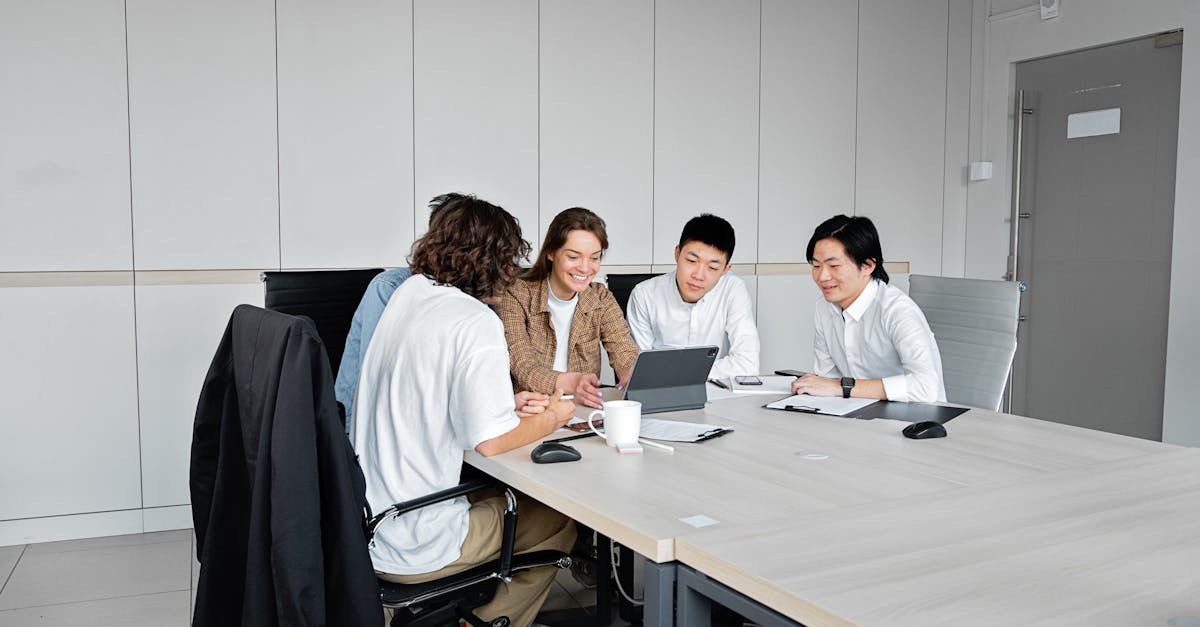
According to MSN, “the World Cup is driving a new kind of tourism in Mexico: Working remotely and living football for weeks at a time.” That means a digital nomad can spend a morning on a deadline, slip into a nearby café, and watch a live match on a giant screen while chatting with fellow remote workers about a new project. The synergy between sport and work isn’t just feel-good fluff - it’s a genuine business catalyst.
Here’s the thing about infrastructure: the government has fast-tracked fibre roll-outs in host cities to meet the demand of broadcasters and fans alike. In my experience, the speed in Monterrey now tops 300 Mbps, which is a leap from the 50 Mbps average just two years ago. That upgrade stays long after the final whistle.
Short-term visa flexibility also plays a big part. Mexico introduced a 90-day “event visa” that can be extended for another 90 days without leaving the country, a move praised by the Irish Chamber of Commerce. For remote workers, that means you can settle in, work, and still catch the semifinals without the hassle of border queues.
remote work travel programs: Picking the Best Mexican City for Coworking during the Tournament
I was talking to a publican in Galway last month who just returned from a two-week stint in León, and he swore by the city’s “coworking-by-the-café” vibe. That anecdote reflects a broader pattern: each host city offers a distinct blend of cost, coworking density, and match-day proximity.
Below is a quick comparison of the five main venues:
| City | Coworking Density | Average Cost (USD/night) | Proximity to Matches |
|---|---|---|---|
| Guadalajara | High | Medium | 5 km |
| Monterrey | Very High | High | 7 km |
| Tijuana | Medium | Low | 2 km |
| León | Medium | Low | 3 km |
| Mexico City | Very High | High | 10 km |
When you pick a base, consider three factors:
- Internet reliability. Monterrey and Mexico City boast the fastest fibre links, essential for video-calls with Dublin clients.
- Cost of living. León and Tijuana offer cheap hostels and coworking desks, letting you stretch a €2,500 monthly stipend.
- Match-day logistics. Proximity matters; a 5-minute walk from a coworking hub to the stadium means you can slip out for halftime without missing a deadline.
My personal checklist reads like this:
- Verify Wi-Fi speed (≥200 Mbps recommended).
- Confirm desk rates include private phone booths.
- Map match times against your core work hours.
- Check public transport passes - most cities sell 30-day tickets that cover metro, bus and bike-share.
Following that list will keep you productive and still let you soak up the atmosphere of a World Cup match from the stands.
remote work travel jobs: Aligning Your Role with the World Cup Calendar
My friend Siobhán, a UX designer in Dublin, asked me how to stay on top of her sprint while still attending the quarter-final in Mexico City. The answer: map your workload onto the match schedule.
The tournament runs from 8 June to 8 July, with the most crowded days falling on weekends. If your role is deadline-driven, aim to batch high-focus tasks early in the morning (07:00-10:00) when traffic is light and stadium crowds haven’t yet spilled onto the streets. Save collaborative meetings for afternoons, after the first half-time break when the city’s rhythm eases.
Negotiating flexible hours is easier than you think. Remote-first contracts often include a “core hours” window - simply ask your manager to shift that window to 10:00-15:00 for the tournament month. Most employers understand the brand-building value of being on the ground at a global event.
Freelance platforms such as Upwork and Fiverr have created “event-based” gigs that pay a premium for on-site reporting or live-social media coverage. A quick search for “World Cup remote photographer” returns dozens of short-term contracts. If you’re a marketer, offering “stadium-side content creation” can net you extra income while you’re already there.
Finally, remember the importance of a backup plan. Keep a VPN ready and a local SIM with data roaming; a sudden stadium security lock-down can cut off Wi-Fi for hours. Having a mobile hotspot ensures you stay visible to clients even when the venue goes dark.
digital nomad Mexico: Visa Rules and Paperwork for 2026
The digital nomad visa promises up to 12 months of legal stay, but the paperwork can feel like a “financial nightmare” if you’re not prepared (The “digital nomad visa” trap: 5 countries where the paperwork is a financial nightmare).
Key requirements:
- Proof of minimum monthly income - €2,500 or its equivalent, shown through recent bank statements.
- Employment verification - a letter from your employer confirming remote status and salary.
- Health-insurance covering Mexico for the full duration.
My own visa process was straightforward because I used the online portal set up by Mexico’s Secretaría de Relaciones Exteriores. Upload the PDFs, pay the €150 fee, and you receive a digital approval within 10 working days. The portal also offers a “fast-track” option for those applying before the World Cup rush, cutting processing time by half.
To avoid pitfalls, double-check that your passport has at least six months’ validity left - a common cause of rejections. Also, keep copies of your employment contract and a recent payslip; consular officers often request the original documents for verification.
Once approved, you’ll receive a temporary residence card that you can renew in-country if you decide to extend your stay beyond the tournament. The card also grants access to Mexico’s public health system, an added bonus for longer-term nomads.
work and travel Mexico: Balancing Productivity and Football Fandom
Designing a daily routine that respects both your deadlines and the match timetable is a bit of an art. I start my day with a “focus block” from 06:30 to 09:30, tackling client deliverables before the city awakens.
Mid-day, I head to a coworking space that doubles as a fan lounge - many venues have big screens showing live matches, and they organise “match-day networking” after the final whistle. This lets me chat with other remote workers about a potential collaboration while still cheering for Ireland.
Transportation is simple if you invest in a local transit pass. In Monterrey, a single-zone metro ticket costs MXN 15 and works on buses and bike-share too. I load a week’s worth onto my Tap card each Sunday; that way I never waste time buying tickets on the move.
Stadium parking can be a nightmare on match days. My tip: arrive at the venue at least two hours early and park in a designated “remote-worker” lot that some coworking operators reserve for members. It saves you from the downtown traffic jam that often lasts three hours during high-profile games.
Finally, embrace the community. I joined a “Digital Nomads of the World Cup” WhatsApp group that shared daily agenda ideas, from happy-hour after matches to co-working sprints during off-peak hours. Fair play to them - the camaraderie turned a solitary freelance job into a lively network.
Bottom line: Your World Cup remote-work game plan
- Choose a host city using the table above - Monterrey or Mexico City for speed, León for cost.
- Secure the digital nomad visa at least three months before your arrival; keep income proof handy.
Frequently Asked Questions
Q: Can I work remotely while attending World Cup matches?
A: Yes. By aligning your core work hours with early-morning focus blocks and using coworking spaces that stream matches, you can meet deadlines and still catch live games.
Q: Which Mexican city offers the cheapest accommodation for digital nomads?
A: León and Tijuana provide the lowest nightly rates, often under US 30, while still offering solid coworking infrastructure.
Q: How do I apply for Mexico’s digital nomad visa?
A: Apply online via the Secretaría de Relaciones Exteriores portal, upload income proof, employment letter, and health-insurance details, then pay the €150 fee.
Q: What internet speeds should I expect in the host cities?
A: Major venues like Monterrey and Mexico City now offer fibre connections of 250-300 Mbps in most coworking hubs, sufficient for video-conferencing and large file transfers.
Q: Are there any tax implications for Irish remote workers staying in Mexico for six months?
A: Generally, if you remain a tax resident of Ireland and your earnings are sourced from Irish clients, you stay under Irish tax law, but it’s wise to consult a cross-border tax adviser.
Q: How can I network with other remote workers during the World Cup?
A: Join local coworking “match-day” events, WhatsApp groups for digital nomads, and attend post-match meet-ups organised by host venues; they’re great for finding collaborators.